 mira
A Saturday in the Glaskasten
CCC Darmstadt and the Open Home Foundation invited people to the second Home Assistant Community Day: an afternoon at Café Glaskasten with short talks, a hardware swap, stickers, coffee and people who care about their smart homes as much as I do.
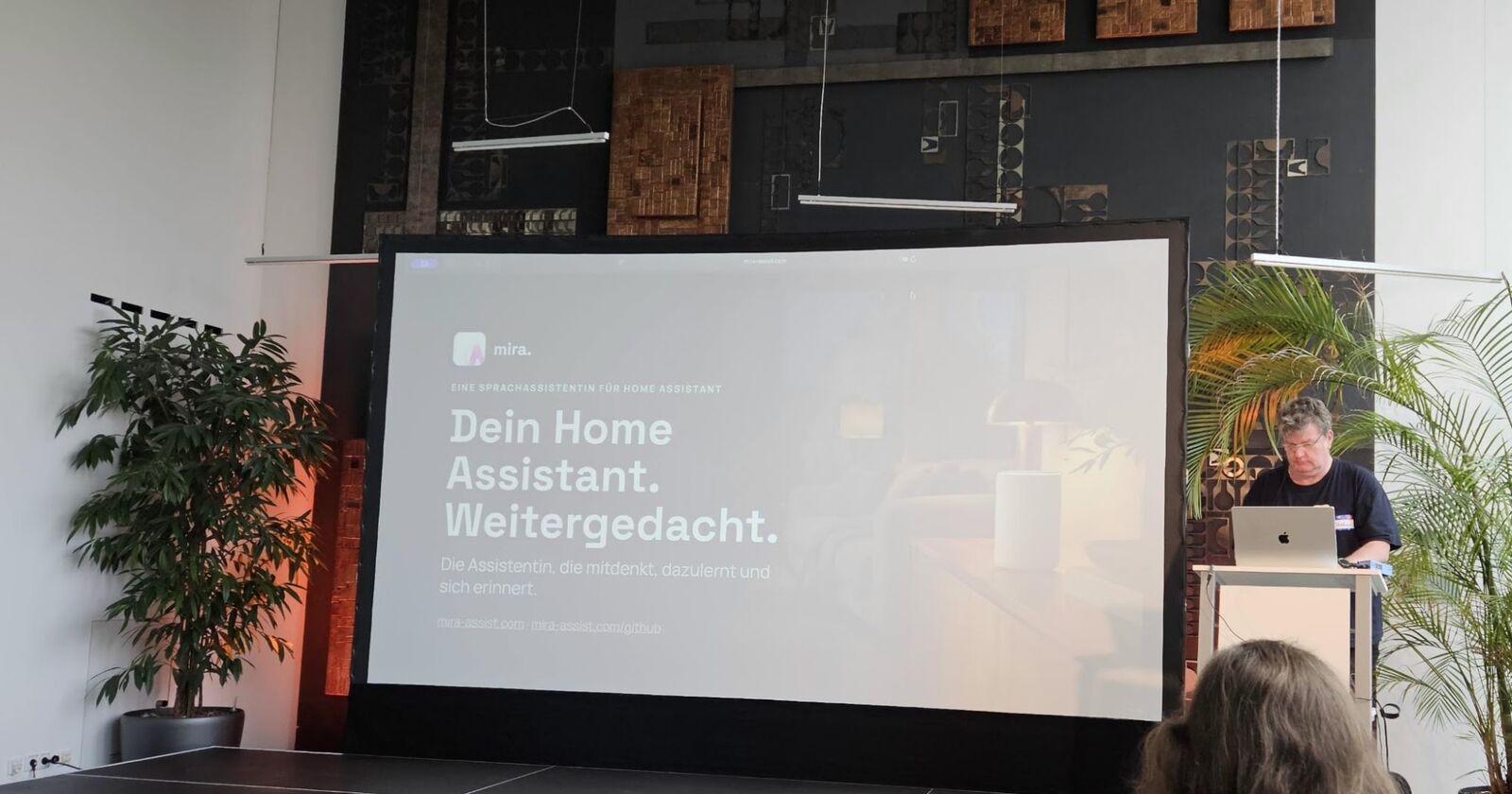
One of the talks was mine: “Mira – more than a voice agent”. A first for me. Until now Mira was mostly known to my friends and some of my colleagues; now there was a room full of people who really know Home Assistant. The slides are here, in German and English.
What worked best: everyday life
The strongest impression wasn’t made by the slides but by the videos: Mira playing a quiz, a music quiz with 30 seconds per song, a vocabulary test, the shopping list. Perfectly ordinary situations from everyday life. You could feel the room go quiet, and afterwards that’s what most conversations were about. All the videos are in the playlist on YouTube.
“A video from everyday life explains more than any table of features.”
Where the spark didn’t jump yet
To be honest: not everyone saw right away what Mira can do. If you have perfected Home Assistant with automations for years, a voice agent first makes you think of “lights on”. That Mira speaks up by herself, remembers things and knows who is talking feels abstract on a slide. In everyday life you notice it at once – on stage I still need to show it better.
The questions afterwards
The Q&A and the conversations afterwards were mostly about three topics:
- Privacy What leaves the house? Mira runs in your home, not with me. What she hears, sees and remembers stays in your Home Assistant.
- Local or cloud You decide per task: a local model for anything private, a strong cloud model for the hard questions. Every helper names its model, and a local one stays local. How that looks for skills is described in this article.
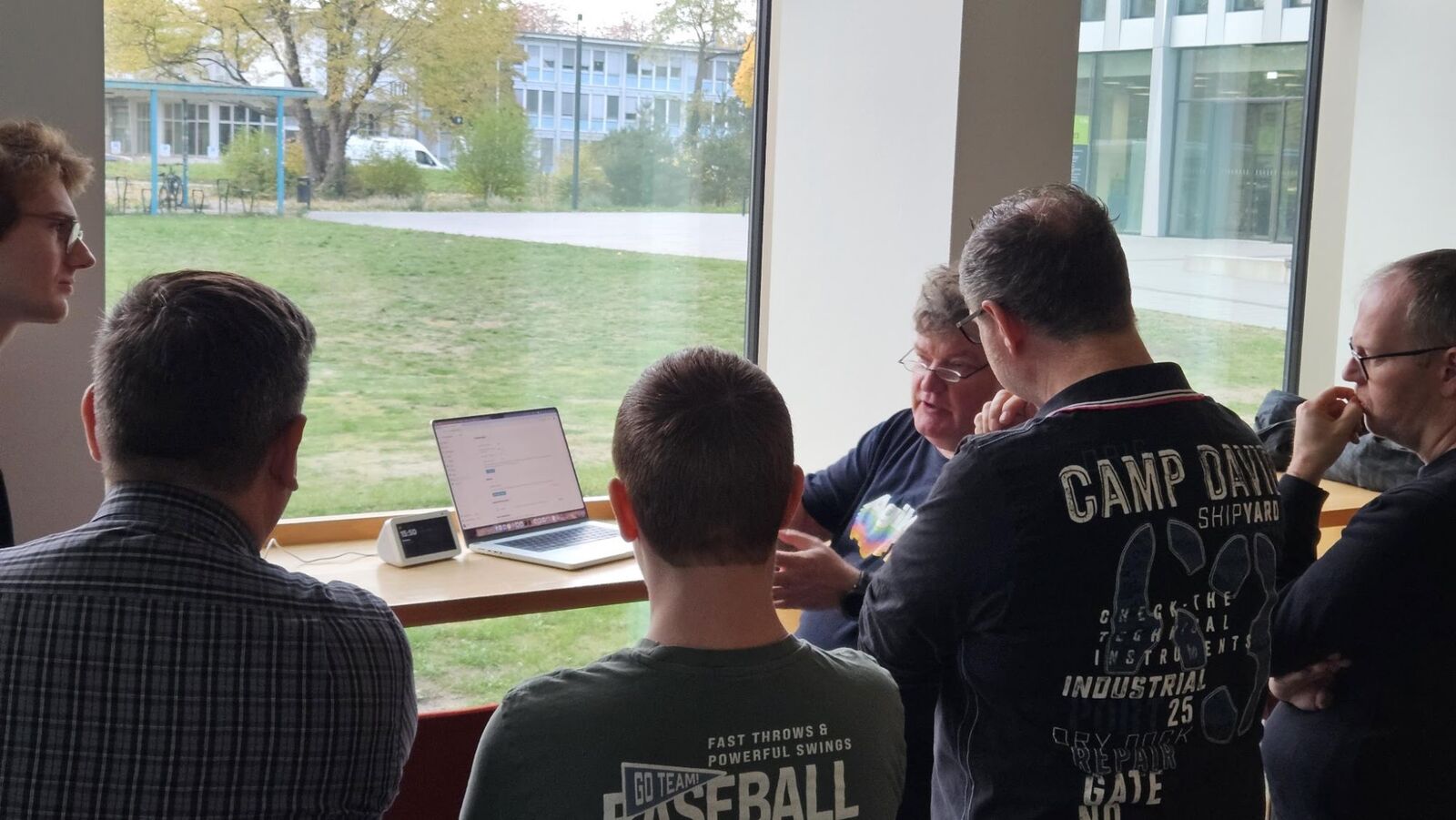
- The Echo running TECHO5 A surprising number of questions were about the speaker: how do you free an Echo, which models work, how good are the microphones?
Mira’s face
The Echo got me thinking. I actually wanted to talk about what happens behind the speaker. But the Echo running TECHO5 is simply what people see: Mira’s face. An Echo that suddenly speaks without Amazon is tangible. A memory for the house only is at second glance.
Is that a distraction, or does it help? By now I think: it’s a door. Many come for the speaker and stay for the assistant. So next time I’ll show the Echo right at the start, answer the obvious questions – and then say: “And now to what happens behind it.”
Bottom line: happy to do it again
For me it was a really good afternoon: an interested audience, good questions and conversations that went on until the very end. And I’m taking away how to make Mira even more tangible next time – more everyday life, fewer slides.
Thanks to CCC Darmstadt and the Open Home Foundation for organising it – and to everyone who listened and asked questions. See you next time!
The photos are by Lars – many thanks for them!