 mira
What Alexa was actually good at
To be fair: Alexa wasn’t completely useless. Thanks to her skills she could do quite a bit, and a few of them even made it into my favourites. Top of the list: the bin collection calendar. Every evening the same question – which bin goes out?
So for MIRA it was clear: that has to work again, at the very least. And it does, with the waste company’s calendar in Home Assistant:
But it didn’t stop there. What became of skills is far more than a replacement.
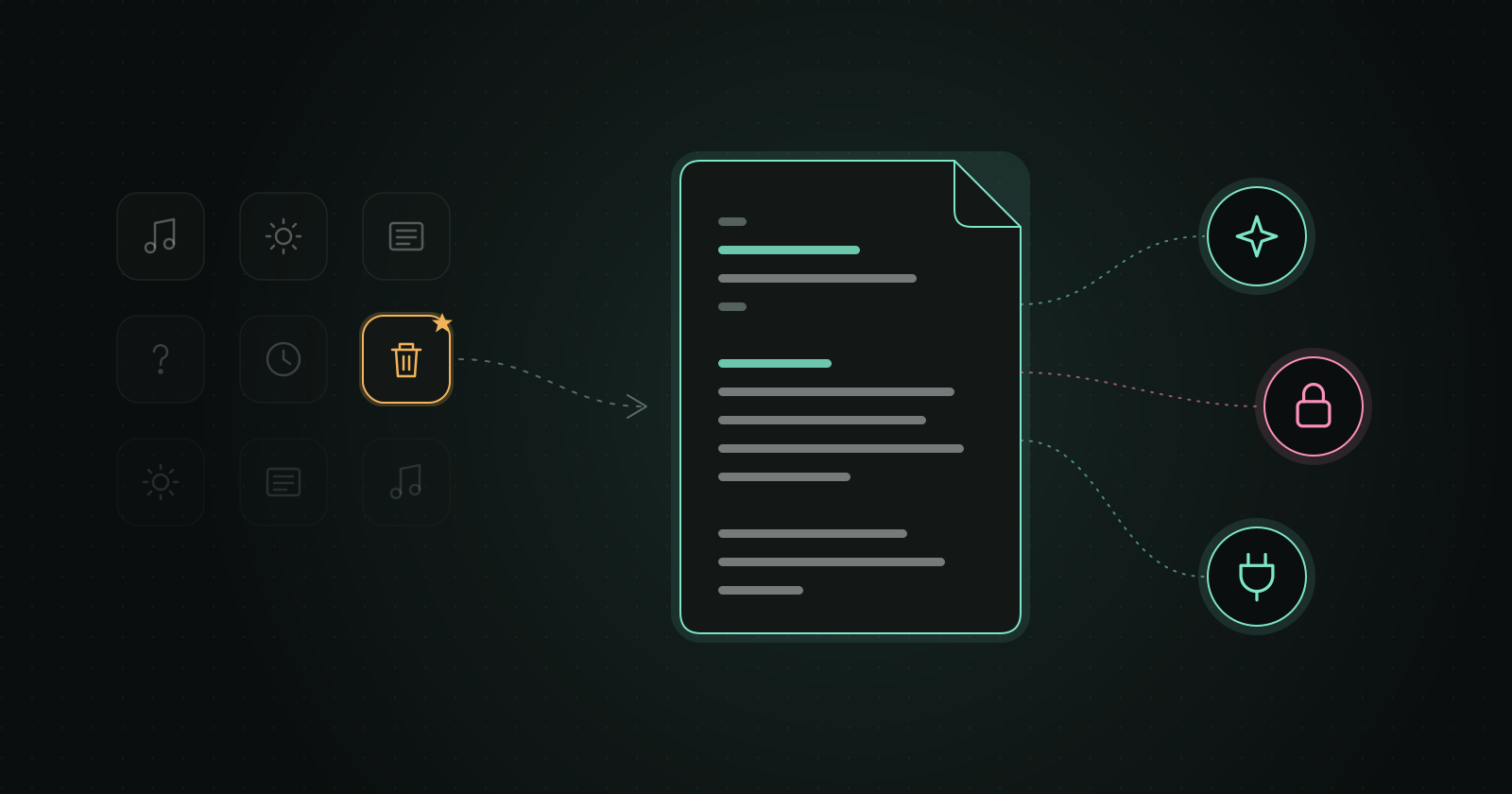
A skill is a text file
With Alexa, a skill was a piece of software: developer account, code, certification. With MIRA, a skill is a folder with a single file. A few lines at the top say when the skill is needed, and below, in perfectly ordinary sentences, what MIRA should do. Nobody has to write code for it.
---
name: plants
description: Which plants get watered when; a reminder on Sundays.
metadata:
  mira:
    schedules:
      - cron: "0 10 * * 0"
        task: Which plants need watering today?
---
# Watering the plants

Fern every Sunday, cactus on the first Sunday of the month.
If someone asks when something needs watering, answer
from this list and don't guess.
That’s enough. MIRA now knows when the cactus needs water and reminds you on Sundays at ten, all by herself. And she only opens a skill when a question really needs it. Until then she only knows its one-line description – so MIRA stays fast even with thirty skills.
“If you can write a note for the neighbour who waters your plants, you can write a skill.”
A skill can bring its own helper
It gets really interesting when a skill needs more than instructions. It can contain its own agent: a helper for exactly one job that does research in the background while MIRA keeps talking to you. It, too, is described rather than programmed – what it gets, what it may do and what it returns.
- A local model for sensitive things. When it’s about letters, invoices or doctor’s appointments, the helper works with the model in your home. None of it leaves the house.
- An especially clever model for tricky things. If the job is complicated, the helper gets a stronger model – even one in the cloud, but only for exactly this job.
- Exactly the rights it needs. Whether it may only read, may go online and which tools it uses is written in the skill. It gets nothing more.
Tools only when they’re needed
A skill can also bring in an MCP server. MCP is the open standard through which AI models reach other tools – a document archive, for example. Two things matter to me here:
- It is only loaded when the skill is needed. A server with 44 tools doesn’t clutter every request that way, and MIRA stays fast for everything else.
- The skill decides which tools are allowed. A whitelist: whoever writes the skill decides whether MIRA may only search and read – or more.
mcp:
  url: "{{ url }}"
  read_only: true
  tools: [query_documents, get_document_content]
agents:
  paperless.recherche:
    description: Durchsucht die Dokumente in Paperless mit einem Ziel …
    tools: [paperless__query_documents, paperless__get_document_content, calculate]
    max_rounds: 20
Yes, that skill is written in German – and it doesn’t matter. A skill doesn’t have to be in the language you speak to MIRA: the model understands the description either way and answers in yours. The prose is quickly translated if you want to, and only things tied to a country, like a calendar of German school holidays, need adapting.
My favourite example: my own documents
All my post and every PDF end up in Paperless-ngx: invoices, official letters, insurance, bookings. Nice and tidy – but until now I still had to search myself. Now I just ask:
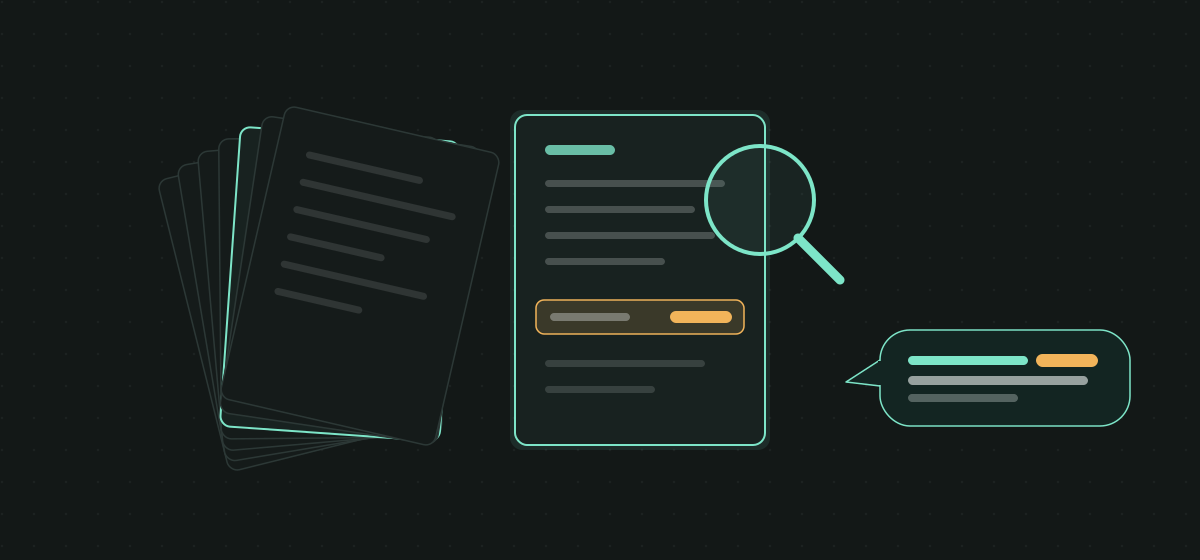
Behind it is exactly what’s described above. The skill brings the MCP server for Paperless and allows only “search documents” and “read document”. A helper of its own does the research in the background: it searches, reads only what it needs, calculates with a calculator tool instead of in its head, and returns the result together with the documents it comes from. The same works for:
- “When did the insurance confirmation arrive?” – with the sender and date of the letter.
- “Has the flight booking been confirmed?” – MIRA looks for the confirmation and tells you whether it’s there.
- “How many invoices did the tradesman send me, and how much did I pay in total?” – she finds them all, counts nothing twice and adds it up.
- “By when do I have to pay the tax office’s notice?” – the deadline, straight from the letter.
Because it’s my post, this runs on the local model in my home. MIRA sees exactly the documents the Paperless user may see, can only search and read, and can’t change or delete anything. And whatever the documents say, she treats as outside text: she doesn’t follow instructions in them.
Bottom line: from a favourite to a toolbox
The bin collection calendar was my favourite Alexa skill. With MIRA it’s one of about thirty that come included – from cooking to quizzes to severe weather warnings. And when something is missing, I write it into a text file. With a helper, the right model and exactly the tools it needs.
How to write a skill of your own is explained step by step in MIRA’s guide.