 mira
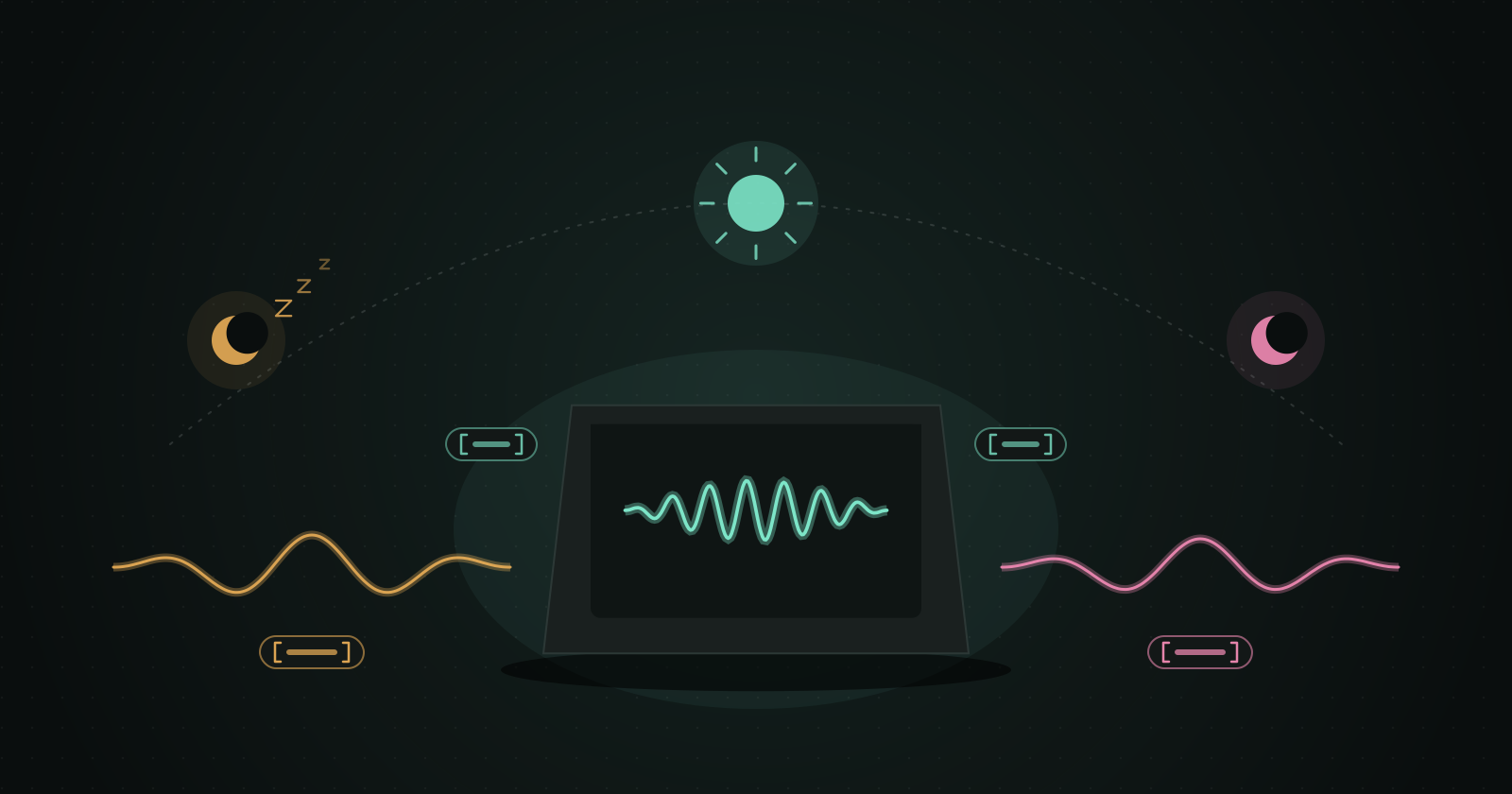
Still sleepy in the morning
The most important thing first: Mira’s voice now has style. Not just one voice, but different ways of saying things – calm, brisk, friendly, cheerful, serious, like a newsreader, whispering or laughing.
The first thing I notice in everyday life is the time of day. The speech service is set up so that Mira’s voice changes over the day. From five in the morning she speaks calmly and softly, still a little sleepy. From nine she becomes brisk and clear. And from nine in the evening she is calm again. The same sentence, once in the morning and once during the day:
Morning, [calm] “Good morning! It’s twelve degrees outside, with light rain. Shall I turn the bathroom heating up a little?”
Daytime, [brisk] “Good morning! It’s twelve degrees outside, with light rain. Shall I turn the bathroom heating up a little?”
Mira decides how she says something
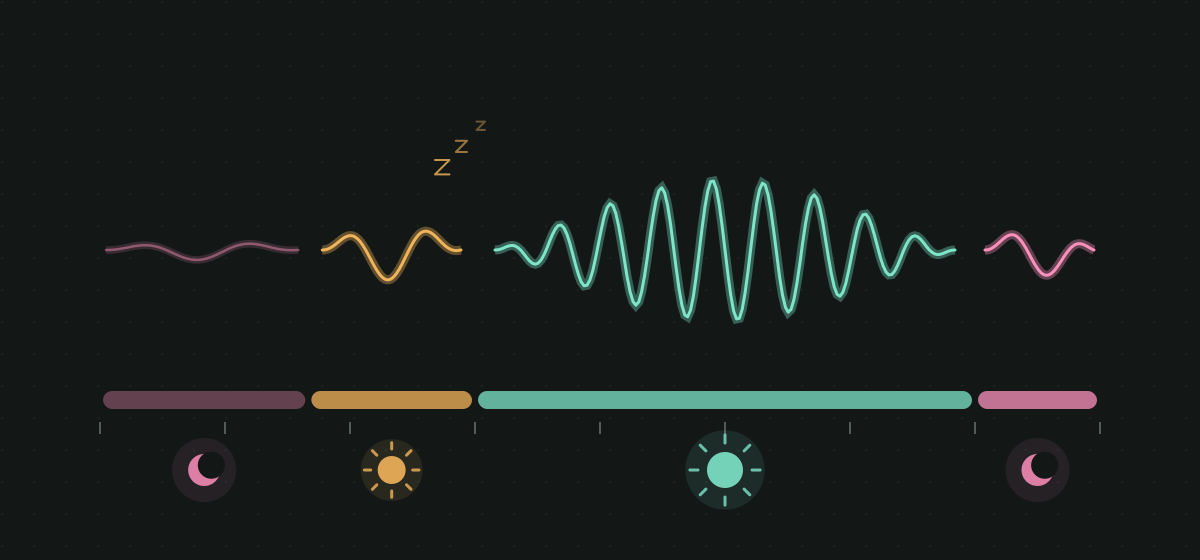
The time of day only sets the basic mood. What’s more exciting is that Mira can put style tags into her answers herself – in German, since my setup is German: [ruhig] (calm), [zügig] (brisk), [freundlich] (friendly), [fröhlich] (cheerful), [nachrichten] (newsreader), [flüstern] (whisper), [ernst] (serious) or [lachend] (laughing). The tag goes before the sentence, and the speech service then says the sentence exactly that way. It makes the conversation much more natural – and often funnier. A real answer from a conversation (in German at the time, here in English):
This is what some of the styles sound like:
[laughing] “By pulling the plug.”
[serious] “Careful, the bedroom window is still open, and a storm is starting outside.”
[whisper] “Good morning! It’s twelve degrees outside, with light rain. Shall I turn the bathroom heating up a little?”
[newsreader] “Good morning! It’s twelve degrees outside, with light rain. Shall I turn the bathroom heating up a little?”
To make Mira do this, I had to extend her system prompt – the instructions she gets before every conversation. It’s a single line (in German, like the rest of my prompt):
Du kannst vor einem Satz einen Stil-Tag setzen: [ruhig], [zügig], [freundlich], [fröhlich],
[nachrichten], [flüstern], [ernst] oder [lachend]. Wechsle den Stil höchstens einmal pro Satz.

(You may put a style tag before a sentence: … Change the style at most once per sentence.)
Mira uses it surprisingly well: a warning comes out serious, a quip laughing, and once I got a whispered “sure, if I must”. Once she even invented a style that doesn’t exist: [schmunzelnd], “smirking”. The speech service simply drops unknown tags; nothing like that is ever read out.
“A warning comes out serious, a quip laughing – and sometimes she whispers.”
Keeping the screen from reading along
There was one more thing to change on the Echos. Home Assistant sends the device the same text it gives the voice – tags included. So the Echo Show displayed the tag right along with the answer. A small patch for TECHO5 makes sure the tags only reach the voice and the screen shows the text without them. The pull request is still open.
German, English, both
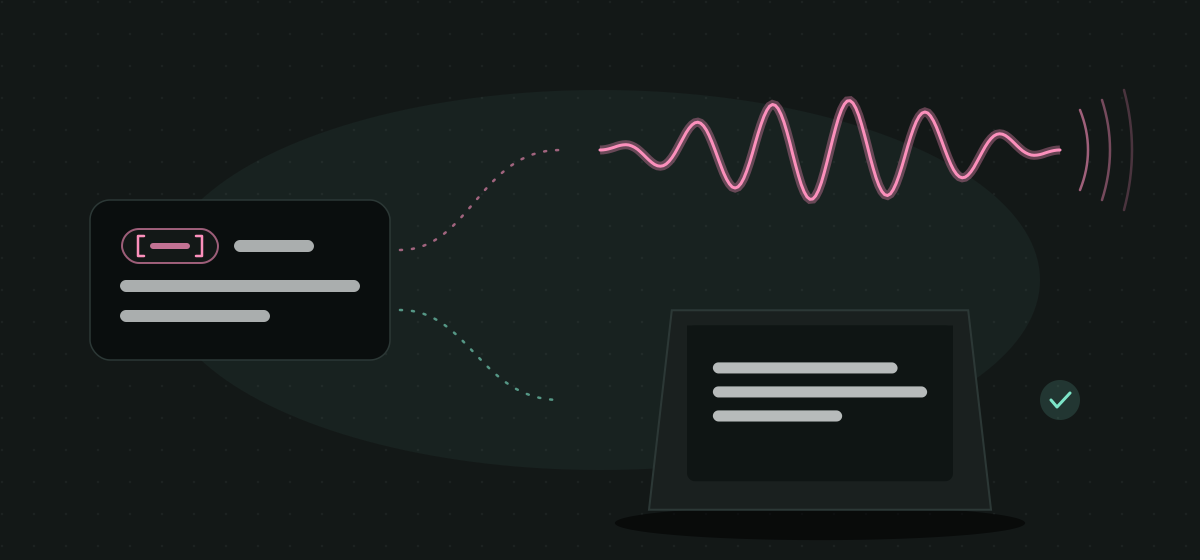
The second big difference in everyday life: the new models handle German and English mixed together much better, both when speaking and when listening. Until now Mira spoke with a small, very fast German-only model, and Whisper did the listening, set to German. English words often sounded rather German. And in my comparison Whisper even translated whole English sentences into German: “What time is it?” became “Was ist das?” – “What is that?”.
I notice it most in the vocabulary test. Mira asks “Was heißt forest auf Deutsch?”, I say “Wald” – and in my comparison Whisper turned it into “Bald” (“soon”). The new speech recognition hears “Wald”, and the English word in Mira’s question now sounds English too.
Because the models are multilingual at heart, you can now talk to Mira in German or in English. She always answers in the language you ask in. One more line in the system prompt is all it takes. When I asked her in English whether that was new, she said:
[friendly] “No, I’ve always been multilingual. I just usually stick to your preferred language.”
That isn’t quite true – listening in English is new. And a few skills are only written in German at the moment; there Mira still answers in German. They’ll be translated soon.
- 0.5 s
- from my last word to the text (median, 0.9 s with Whisper before)
- 0.1 s
- to the first sound of the answer
- 8
- styles Mira can set herself
What’s behind it
- Speaking: Qwen3-TTS with 1.7 billion parameters. Besides the text, the model takes an instruction on how to speak. The smaller 0.6-billion model can’t do that, so the bigger one runs.
- Listening: Qwen3-ASR with 1.7 billion parameters. On my test sentences through the Echo Show’s microphone it made just as few mistakes as Whisper, but was almost twice as fast and detects the language by itself.
- Runtime: Both models run with speech.cpp on the built-in graphics of the mini PC from the hardware article, no graphics card. Speech comes out about 1.5 times faster than real time.
- Glue: A small service translates between Home Assistant (Wyoming) and speech.cpp, reads the style tags and picks the style by time of day when there is no tag. It’s in my speech services on GitHub.
The honest limits
The new voice isn’t without its catches. The model rolls the dice while speaking, and now and then it slips into gibberish. It happens most with sentences that mix German and English, for example when Mira quotes an English song line: in my test about one in four such sentences was unintelligible, against one in 28 purely German ones. The screen shows the right text, but it sounds wrong. What helped in my test: splitting such sentences by language.
And the old voice started speaking a little sooner: in its logs the first sound came after 15 to 55 milliseconds, with the new one it’s 85 to 120. I haven’t compared them directly on the same sentences. But even so, the difference is small next to what speech recognition gained: almost half a second.
How I measured: the times come from the speech services’ logs and from 43 real recordings through an Echo Show’s microphone, which I ran through all the models again. The audio samples were made with Mira’s voice and checked with speech recognition. Mira is open source.
Bottom line: more than one voice
With the new models Mira isn’t just easier to understand, she also sounds more alive. That she sounds a little sleepy in the morning, laughs when she cracks a joke and speaks English when you ask in English has changed more than any new feature of the last few weeks. And honestly: I still enjoy hearing that laughing “By pulling the plug”.